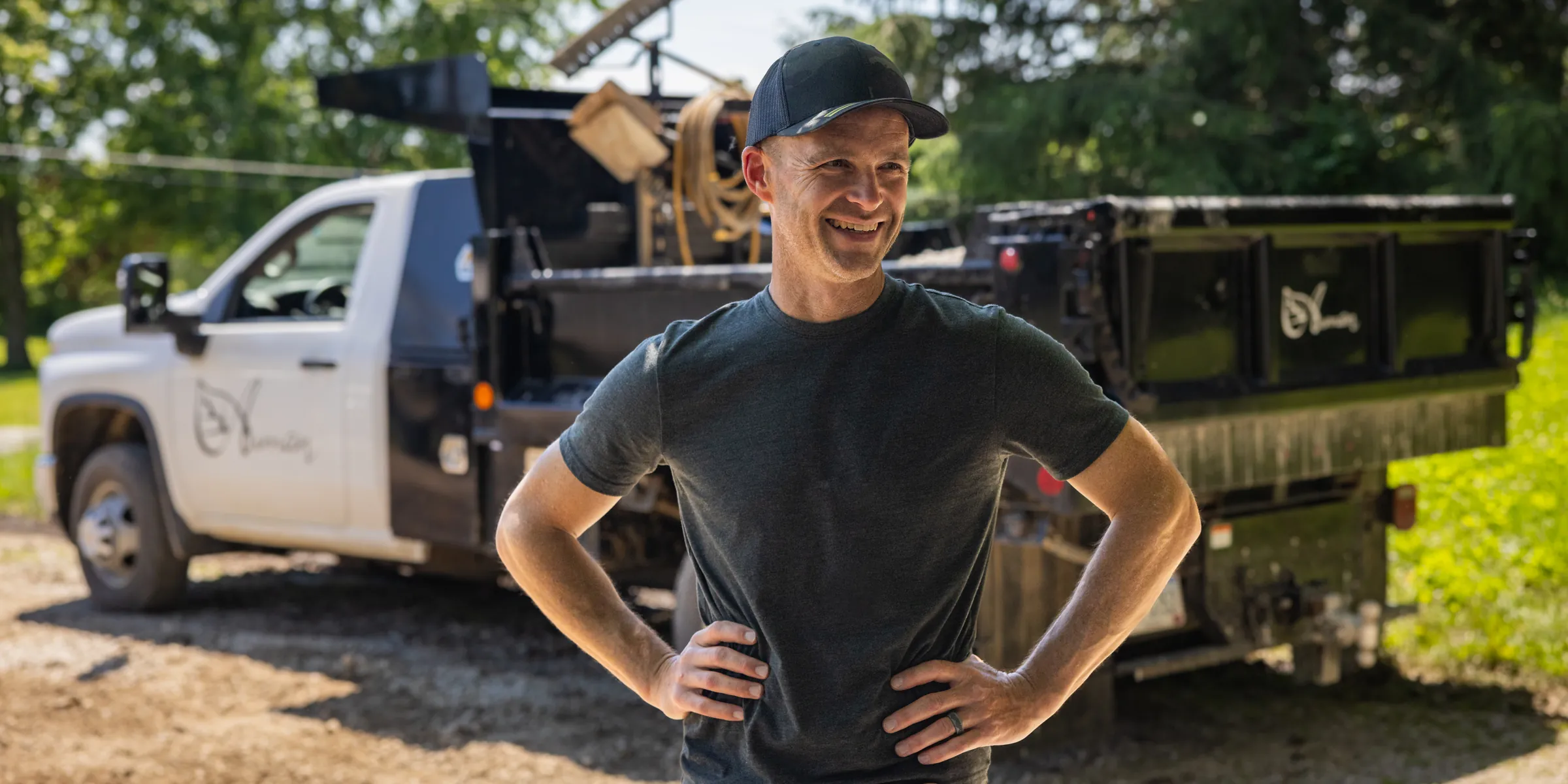
We doubled the business. And made it less dependent on us.
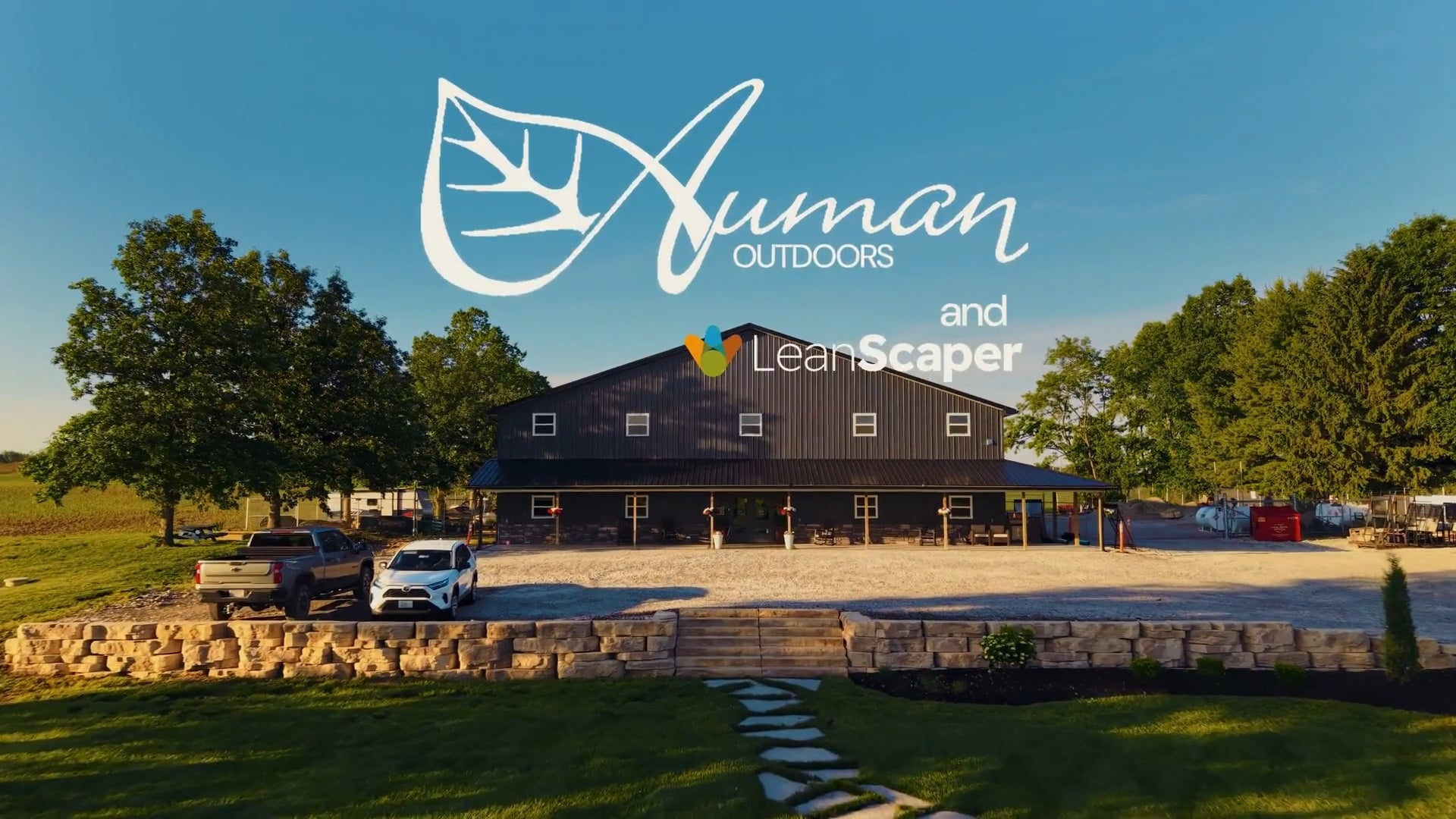
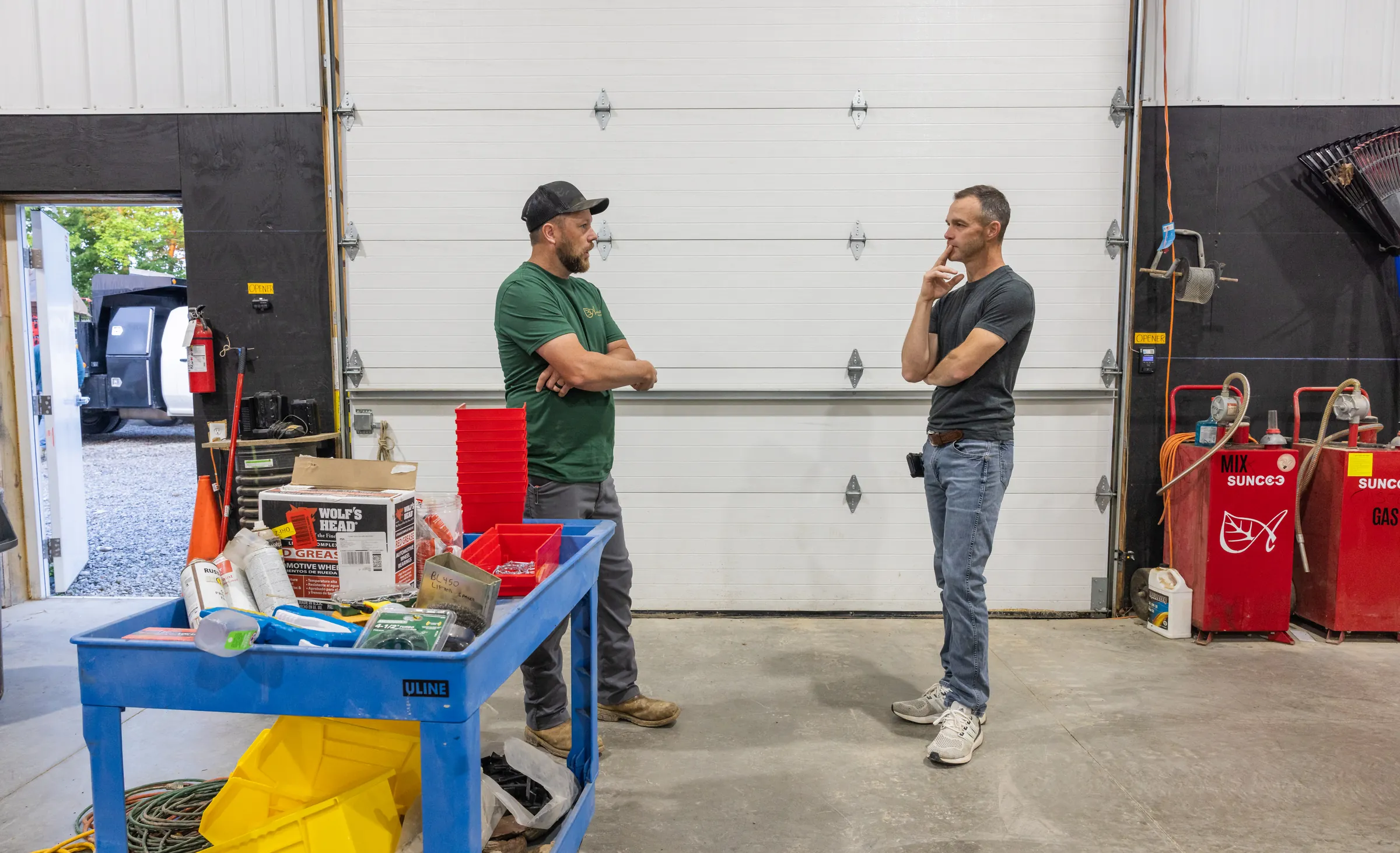
We knew where we wanted to go. We just didn't always know how to get there.
For a long time, we knew we wanted Auman Outdoor to grow. But we had built the company to the level of our own understanding and leadership capabilities.
We were wearing too many hats. A lot of the important information lived in our heads. We had production-rate folders shoved under desks, paperwork everywhere and company handbooks that could end up under the seats of trucks.
We knew things needed to change. We just didn't always know exactly what to change first or how to do it. And when you're the owner, there isn't always somebody sitting beside you who has the answer.
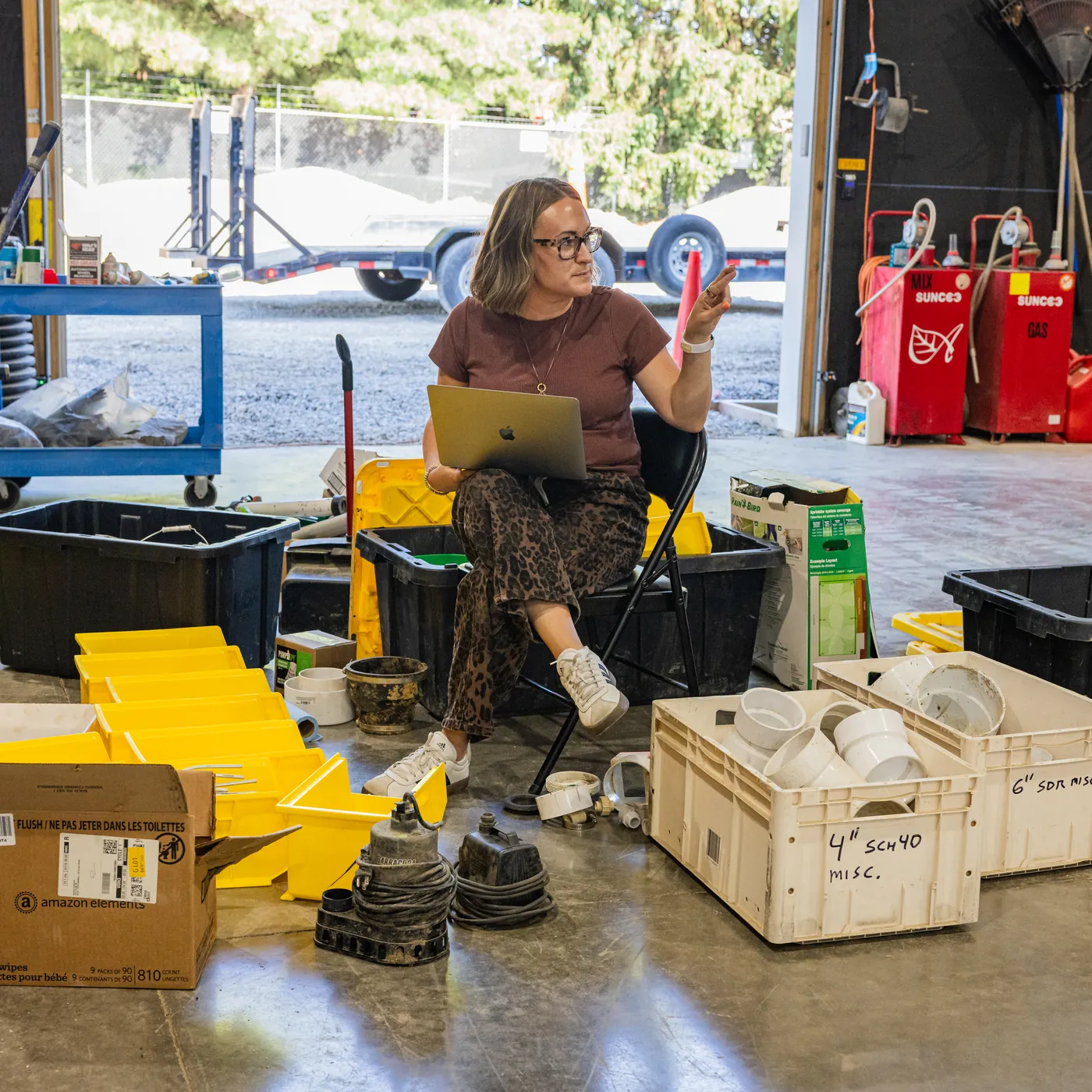
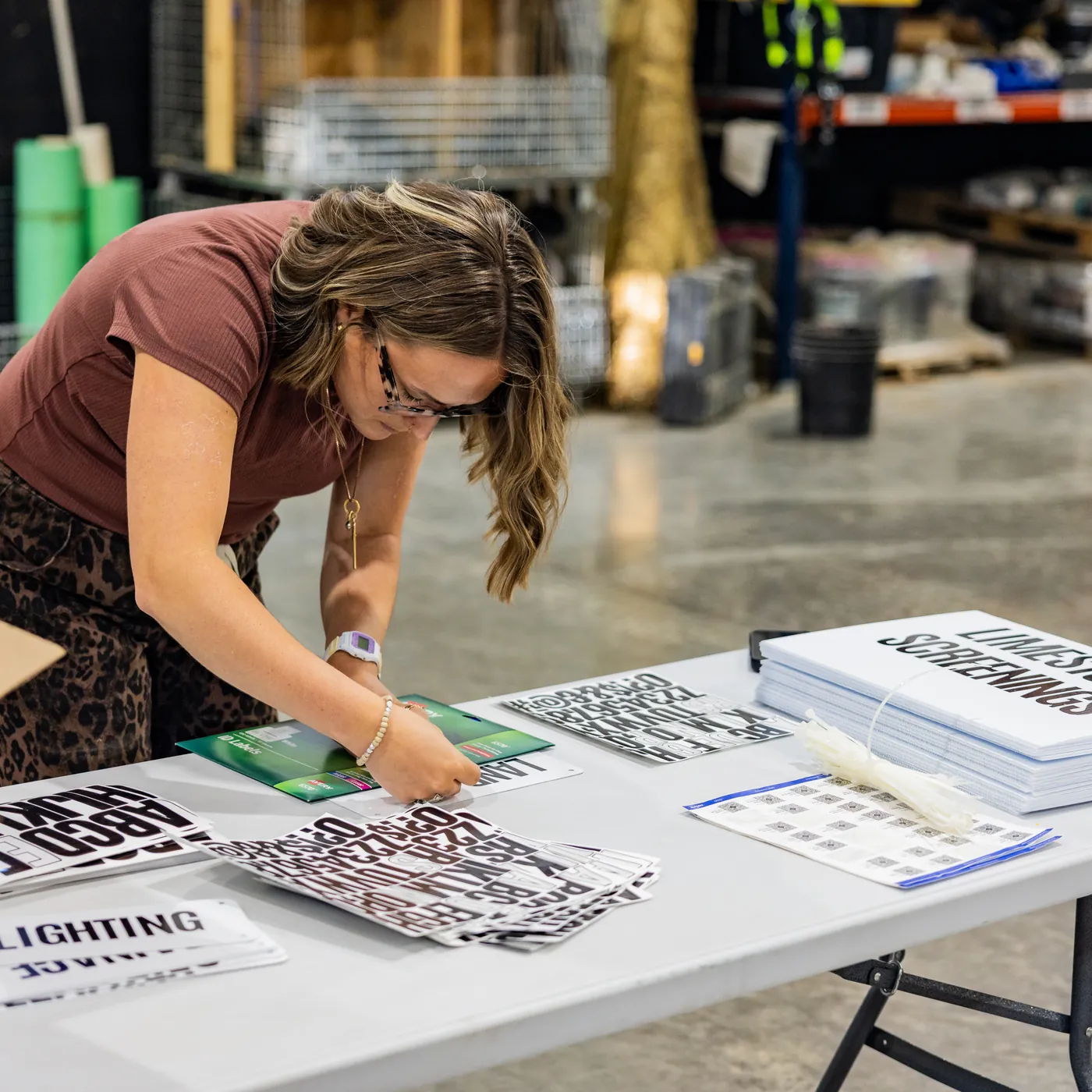
A lot of the unknowns started to disappear.
There are so many unknowns when you're running a business. LeanScaper gave us somewhere to work through them.
Through the Accelerator, the Intensives and LeanScaper AI, we could take something we were struggling with and start figuring out what to do about it. Having access to people, information and a system that could help us think through those unknowns almost eliminated a piece of the fear.
Lana became especially valuable for me. I use her almost like a friend in the business. I can ask the questions I've always wanted to ask somebody and work through an idea before turning it into a decision.
But the important part is what happens after you get the answer. You change something. Then you change the next thing.
That's how we've started making the company better—one thing at a time.
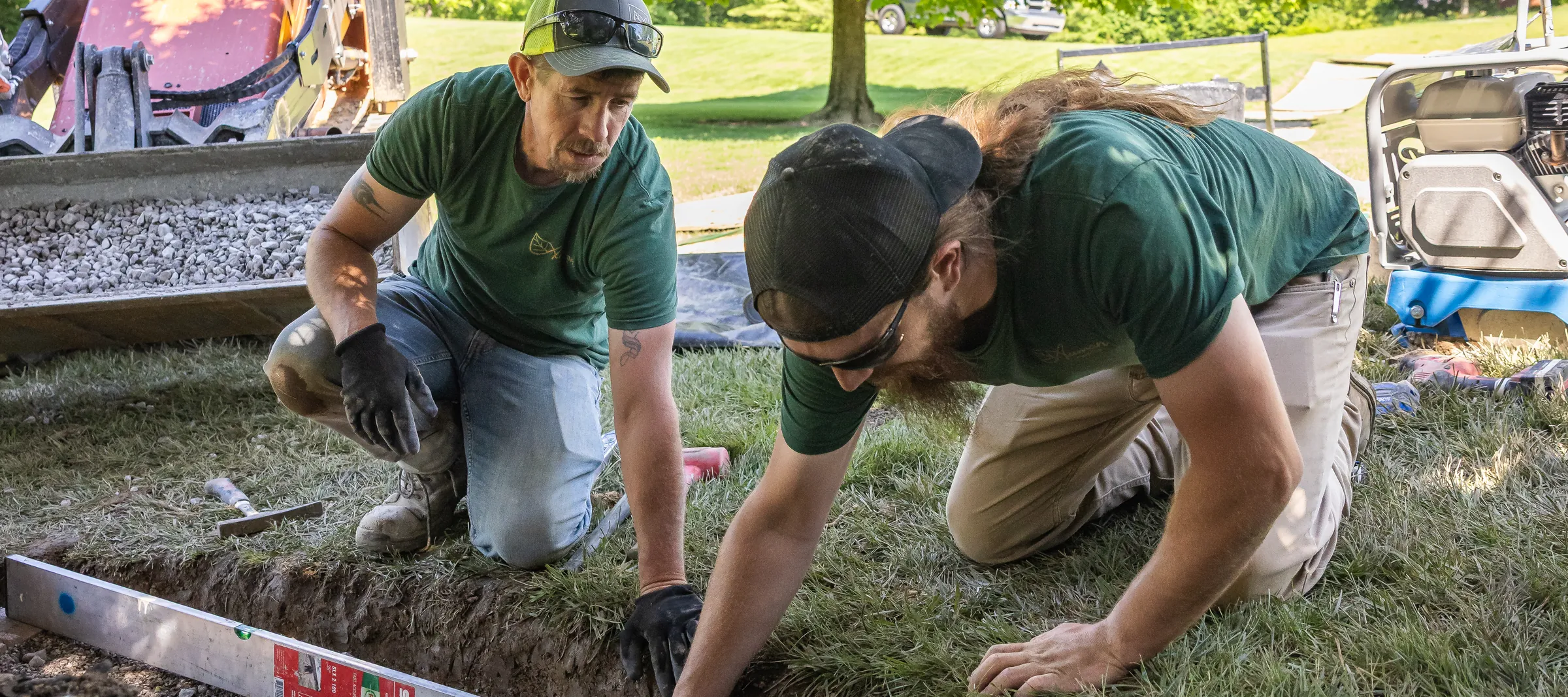
We grew the business and built a team that has the answers.
We went from $1.1M to a projected $2.4M.
For years, we would set million-dollar goals and miss them. Before LeanScaper, Auman Outdoor was doing about $1.1 million in revenue. The following year we grew to $1.8 million, and this year we're projecting about $2.4 million.
We don't look at LeanScaper as some magic button that created that growth for us. We still had to do the work. But the way we think about what's possible has changed.
Before, I didn't even want to build a $10 million company. Now that's our five-year goal. It feels like the sky is the limit.
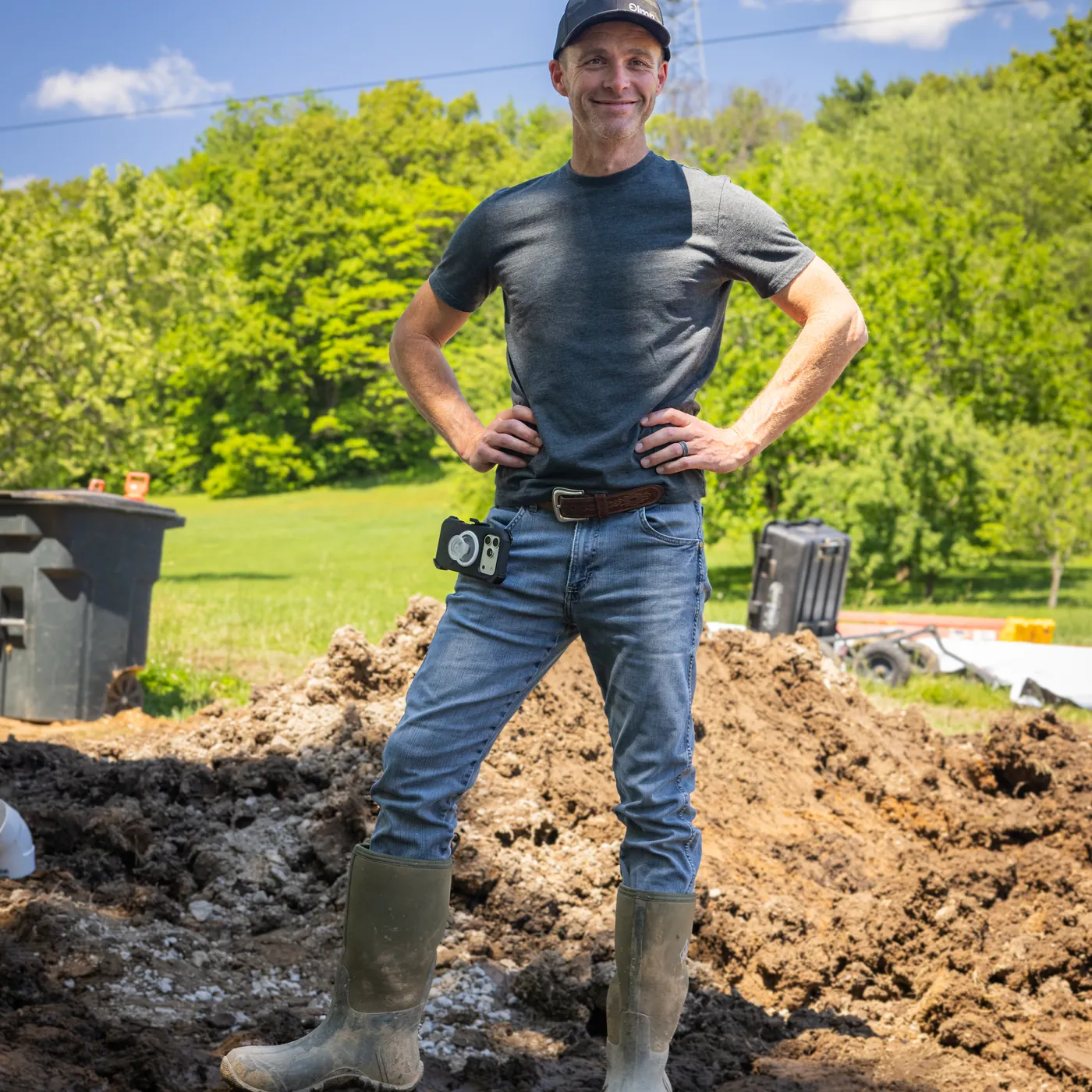
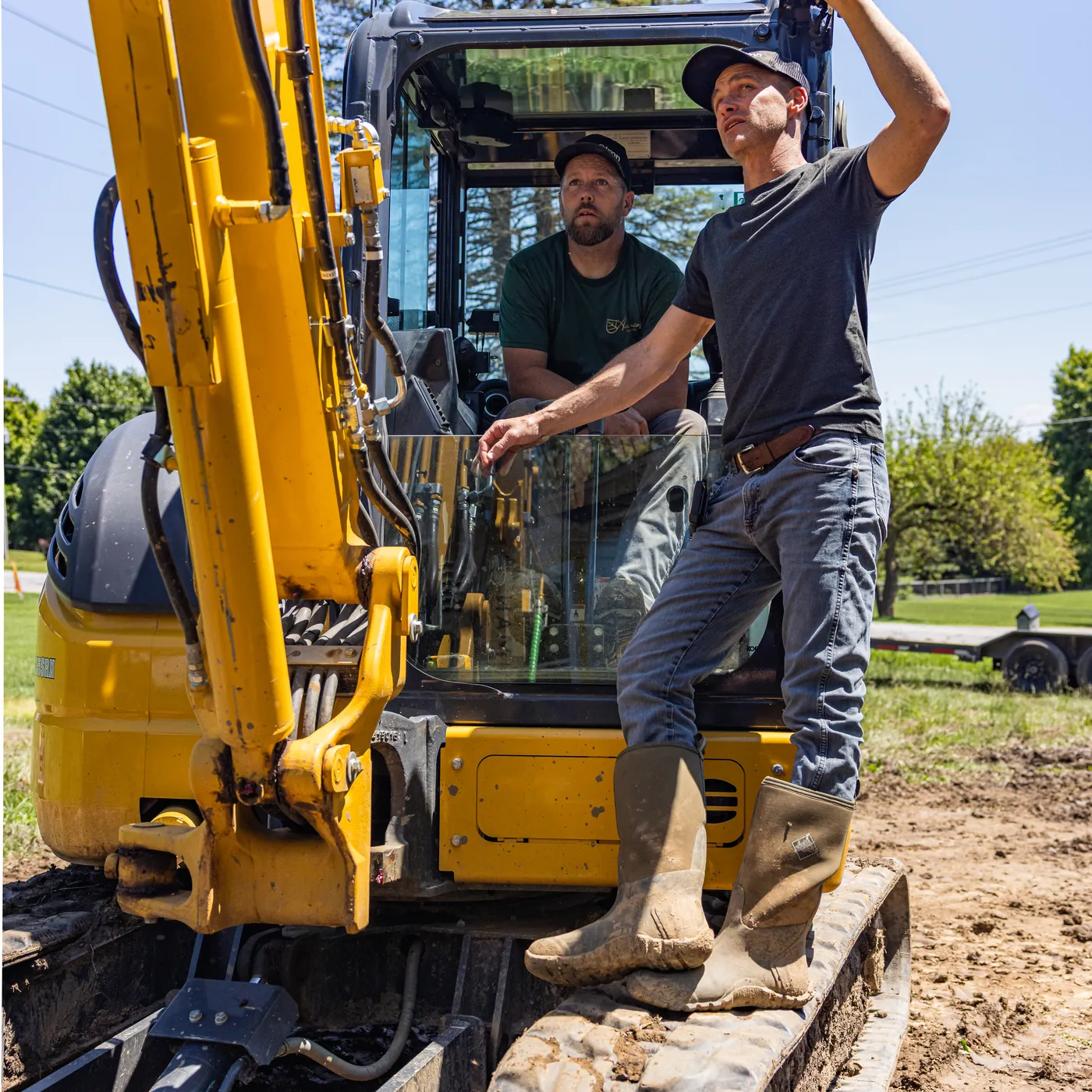
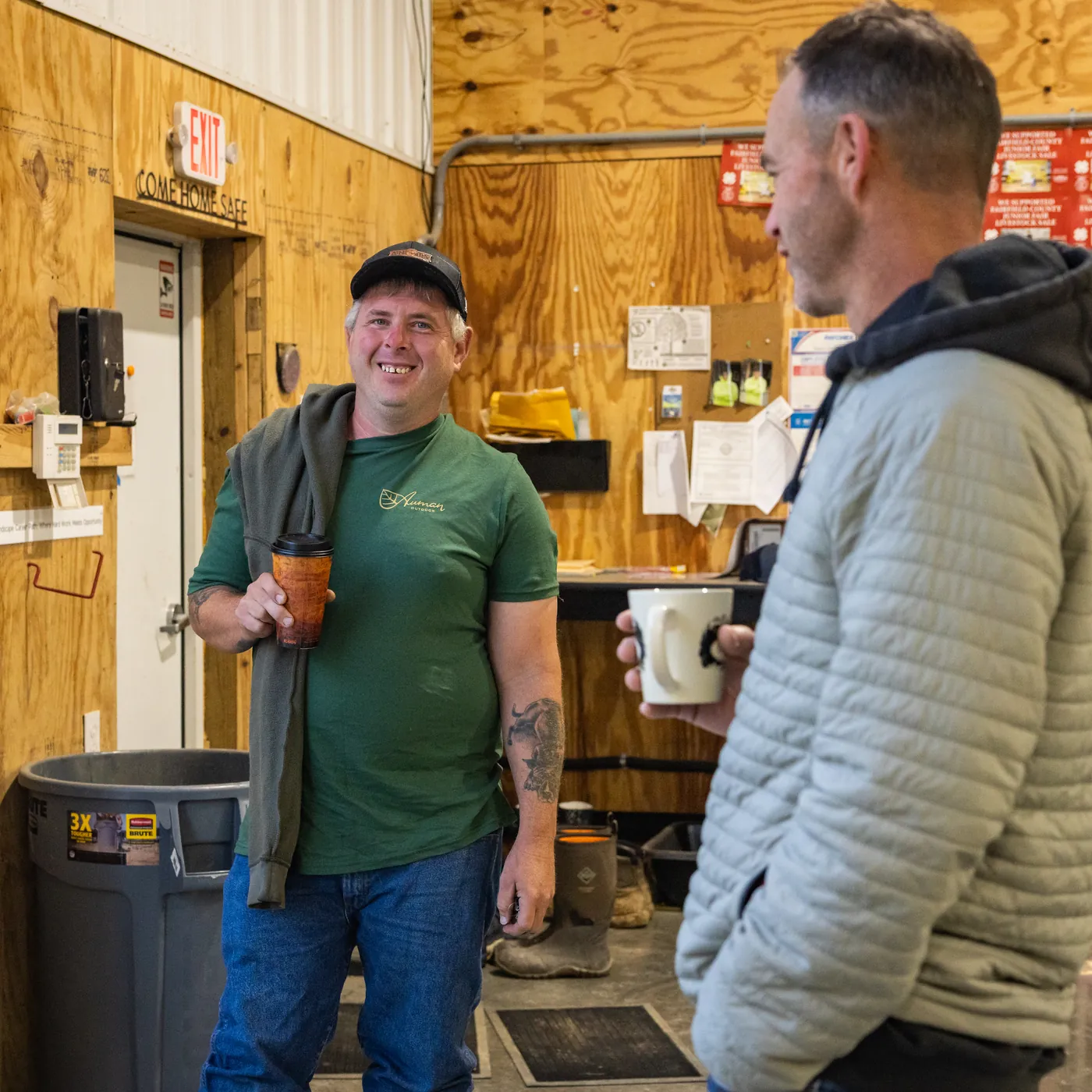
Our team has more of the answers.
One of my goals as an owner is to not be needed in the company. I want to be wanted. I just don't want everything to depend on me every day.
That wasn't how the company used to operate. Production rates, policies, job information and processes were either in our heads or scattered around the business. If somebody needed an answer, a lot of the time they needed us.
Now we're getting that information into systems the team can actually use. What's been really exciting is that they're starting to create those systems themselves.
I remember leaving for half a day and realizing nobody had called me. It sounds like a small thing, but it wasn't. They had the information they needed. They handled it. That's the kind of company we're trying to build.
We made our best hires in 15 years.
Hiring was another area where we knew we needed a better process. I worked through our approach with Lana. We looked at the questions we were asking, refined the process and turned it into an SOP we could actually follow.
Then we hired two people using it. Our team told us they were the best hires we've had in 15 years.
That's what I like about the way we're working now. Something can start as one question, but the answer doesn't have to disappear after that conversation. We can turn it into a process and make the company better the next time around.
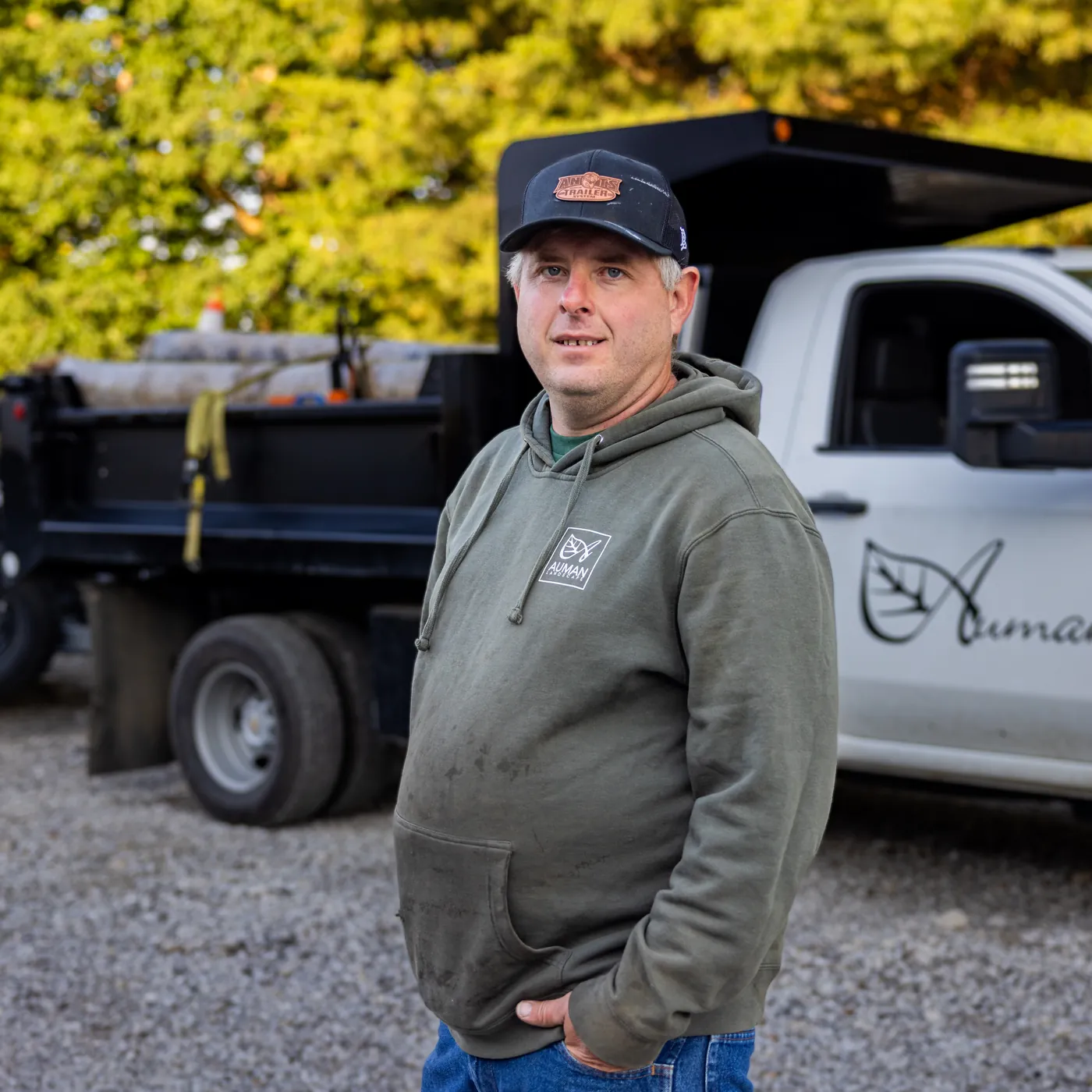
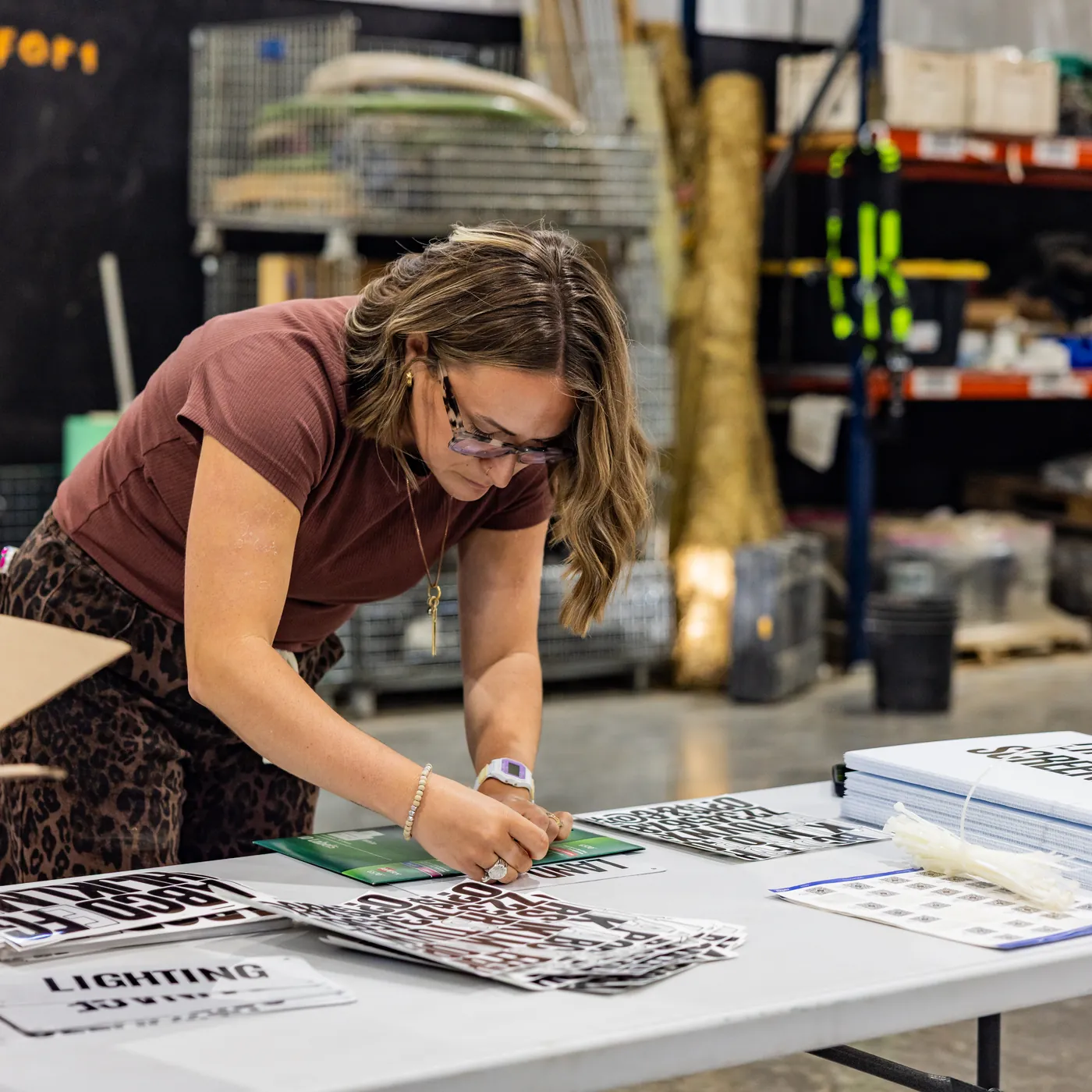
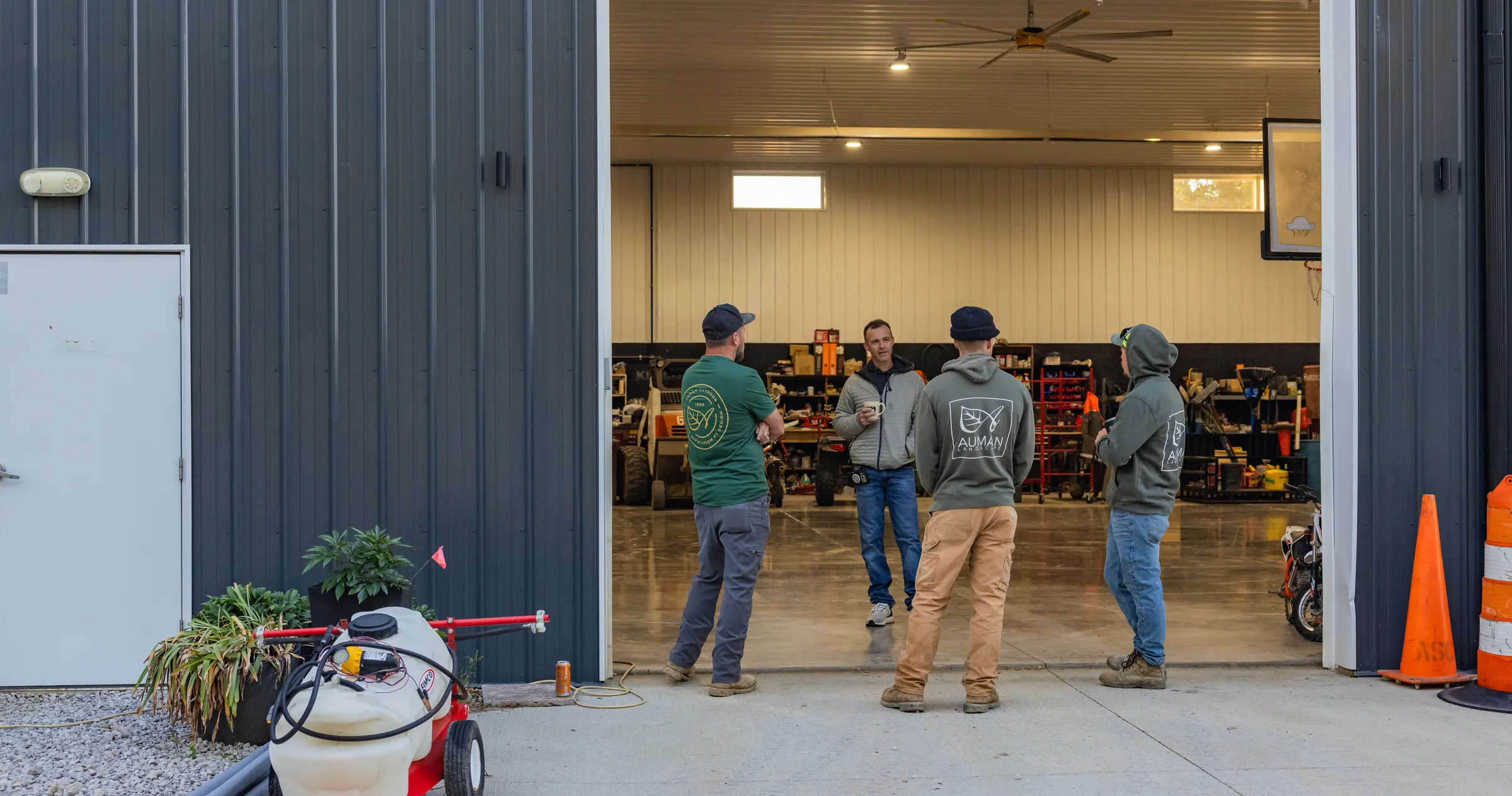
We're thinking much bigger now.
The financial growth is great. Of course it is. But one of the changes I'm most proud of is what's happening with our people.
For about three years, morale was something I knew we needed to improve. Now people are enjoying coming to work again. They're contributing. They're taking ownership. They're helping create systems instead of waiting for us to give them every answer.
It feels like we're all part of something again instead of people just showing up to a job.
We're projecting about $2.4 million this year, and we've set a goal of becoming a $10 million company within five years. But we're not trying to build a $10 million company where Brittany and Caleb have to carry $10 million worth of problems.
We're trying to build a company where the knowledge is shared, the systems belong to the team and the people around us have what they need to make good decisions without everything coming back to us.
That's the company we want to build.