We were growing, but the friction was growing with us.

There was a point where I could feel some of my passion for the business starting to disappear.
We were growing, but our systems weren't keeping up.
Something as simple as inaccurate timesheets could pull managers away from what they were supposed to be doing. We'd solve the same kinds of problems over and over as one-offs. Leaders became bottlenecks. People got frustrated.
The answer was usually to throw more time at it. But a bigger company requiring more and more of everybody wasn't what we were trying to build.
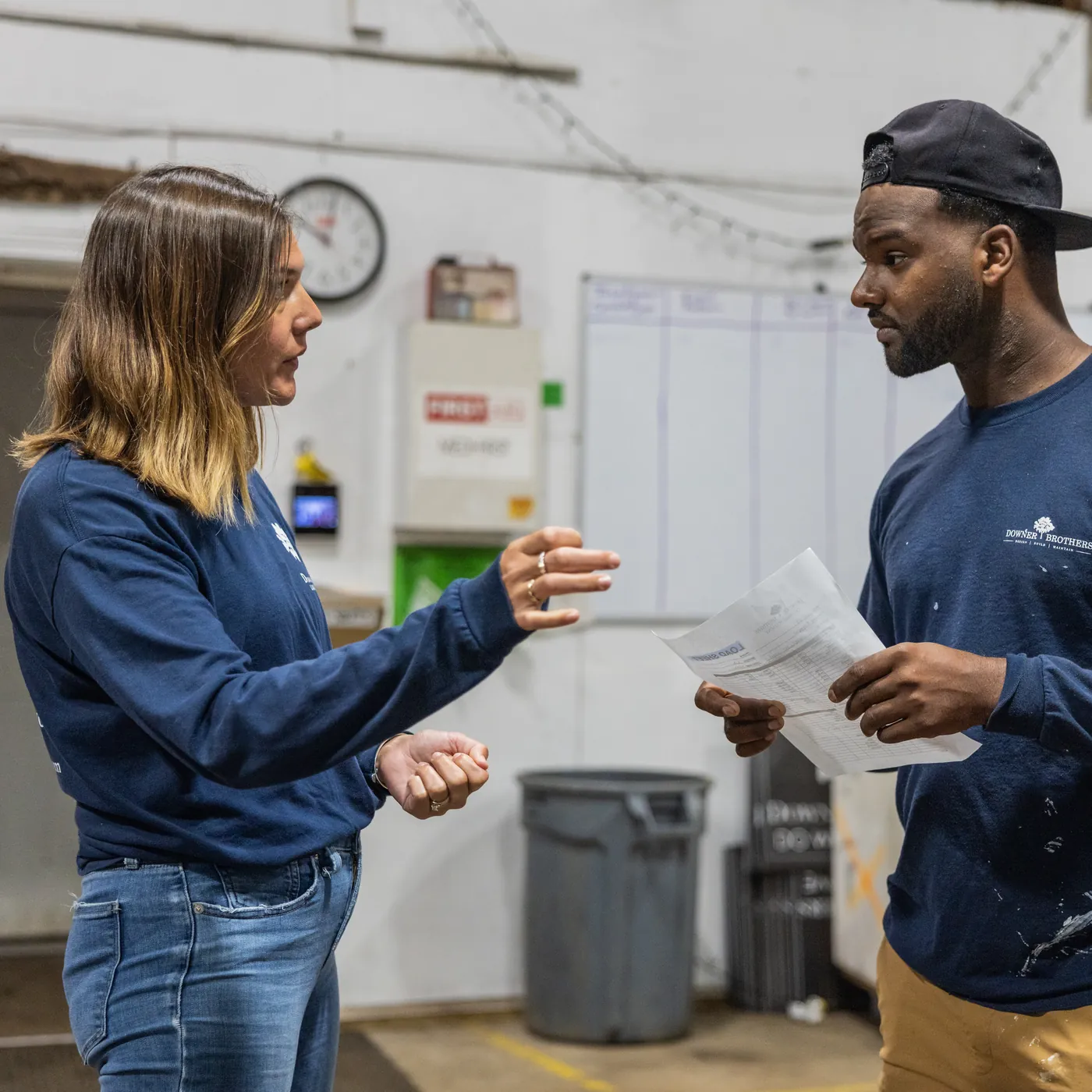
I found people who understood the problems we were trying to solve.
The community was a big part of this for me. I remember thinking, “I've met my people.”
These were other landscape businesses dealing with the same questions around leadership, people, systems and growth.
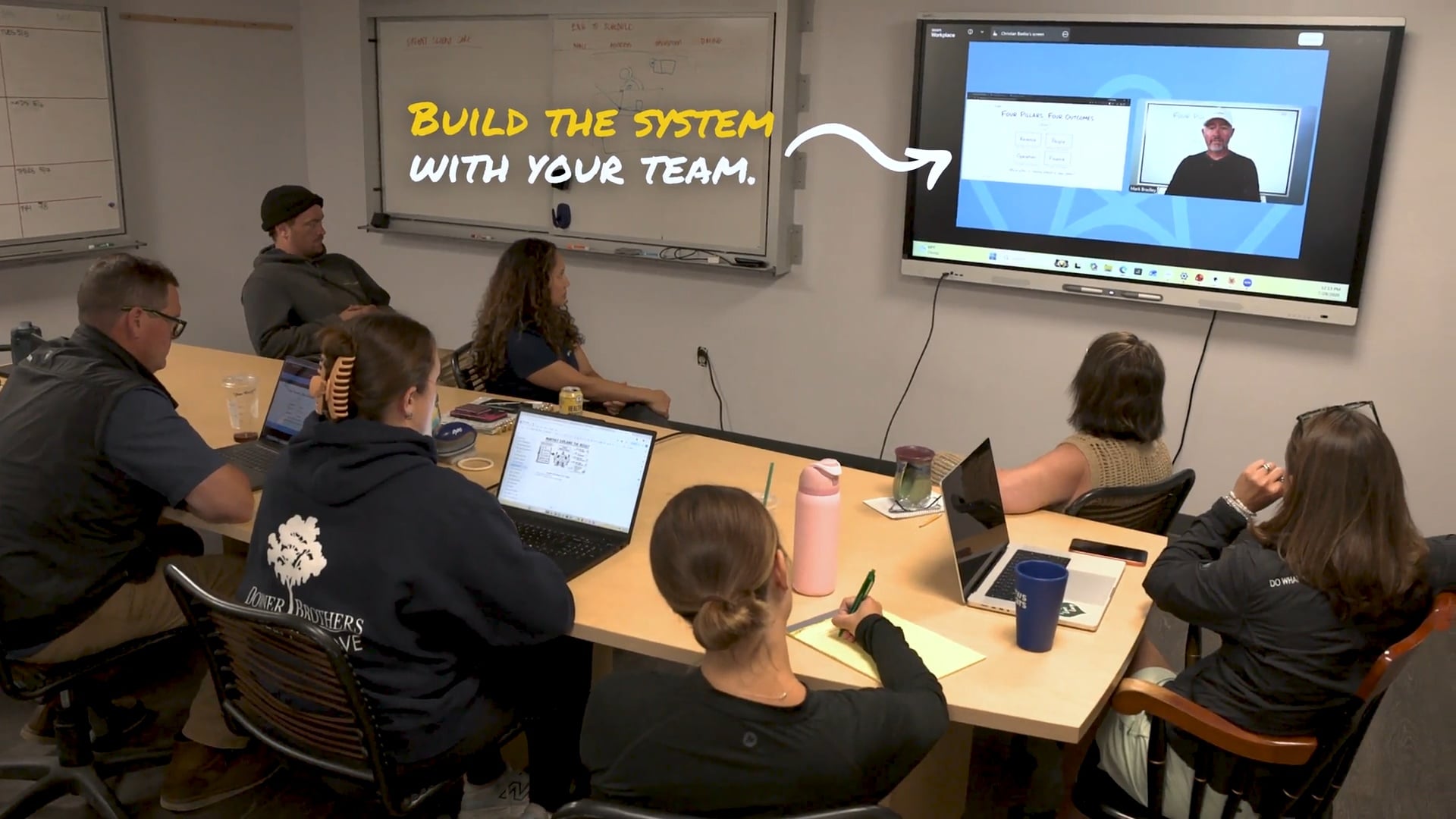
The Accelerator gave us a way to look at the whole business instead of chasing one problem at a time. We started thinking more intentionally about our vision, our values, our leaders and the friction inside the company.
And we got much less tolerant of recurring problems. Instead of asking, “How do we fix this again?” we're much more likely to ask, “Why does this keep happening?”
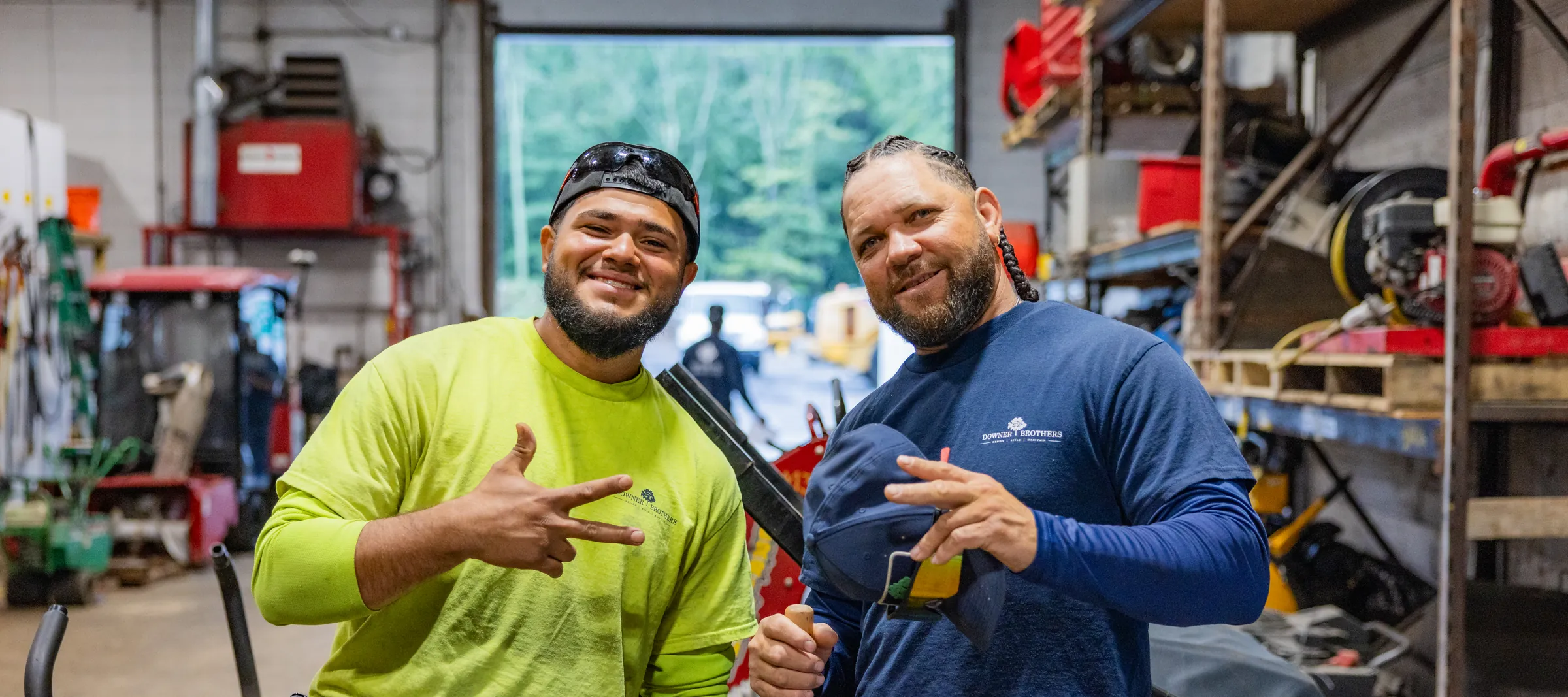
Our leaders are growing, and the business runs with less friction.
Our people are becoming stronger leaders.
This is the change I'm most excited about. We've become much clearer about who we are, what we expect from leaders and how we make people decisions.
We've been able to move people from the field into bigger roles and give them opportunities to lead parts of the business. That's what growth should create.
Revenue matters. Profit matters. But if the company gets bigger and nobody inside it gets a bigger opportunity because of that, I don't think we've done it right.
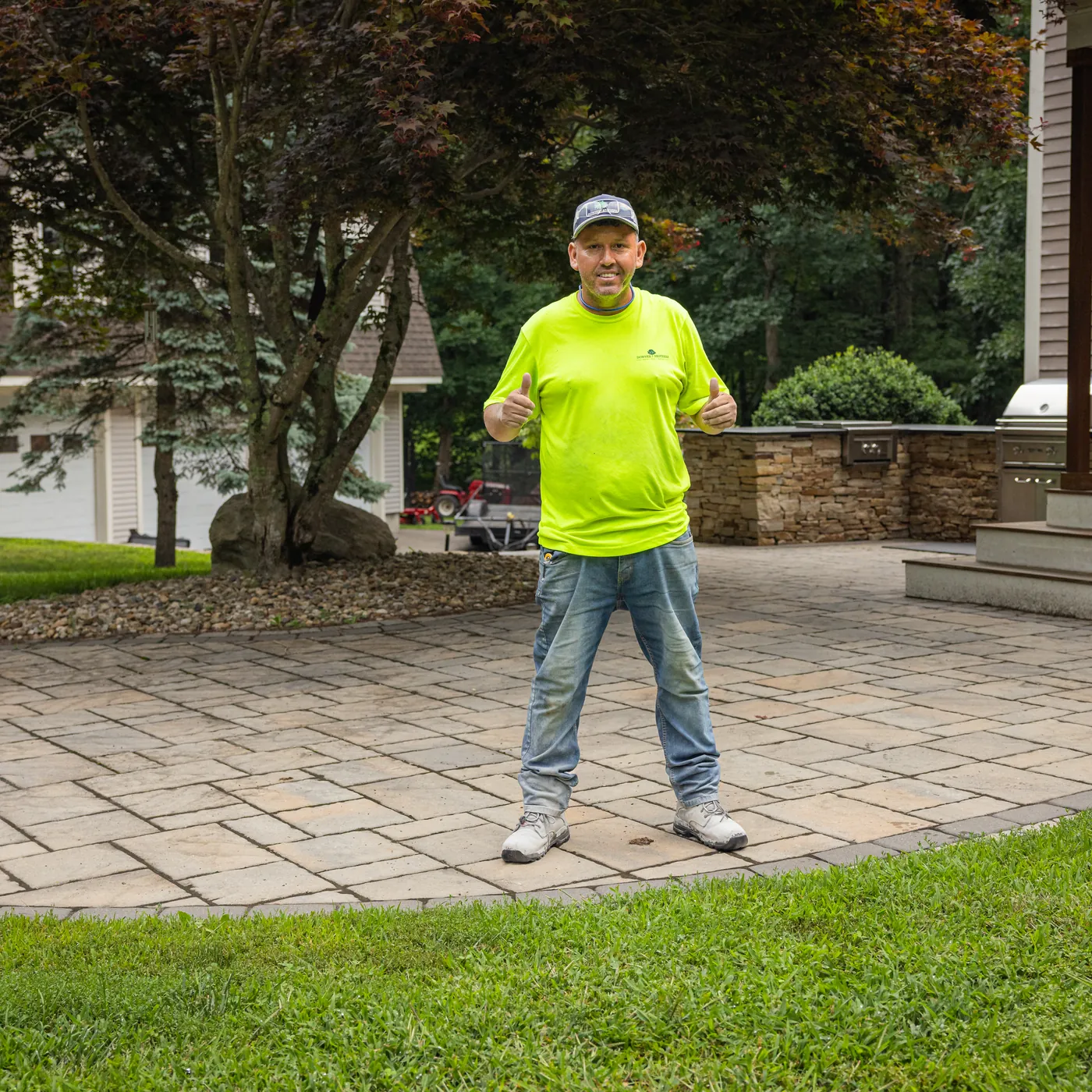
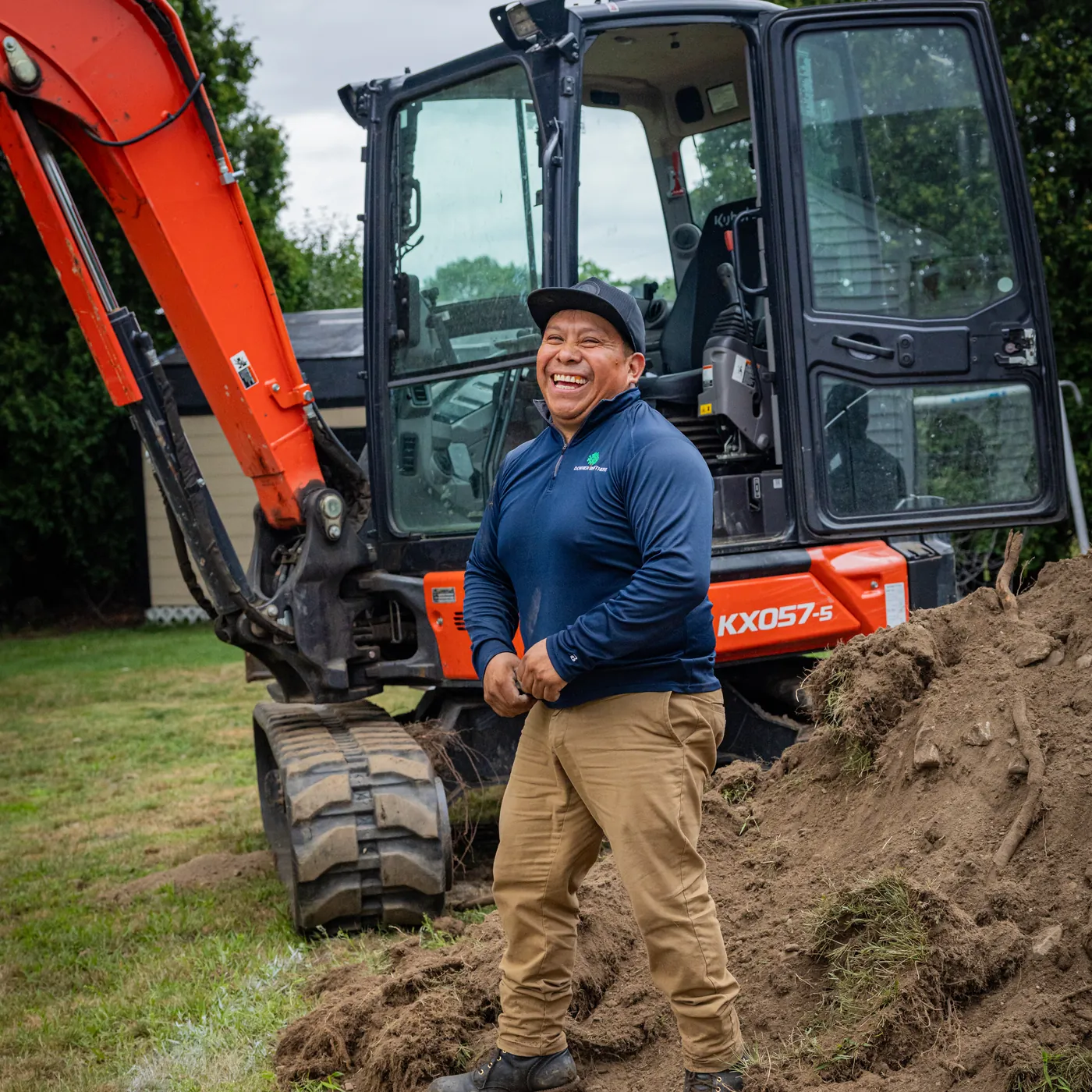
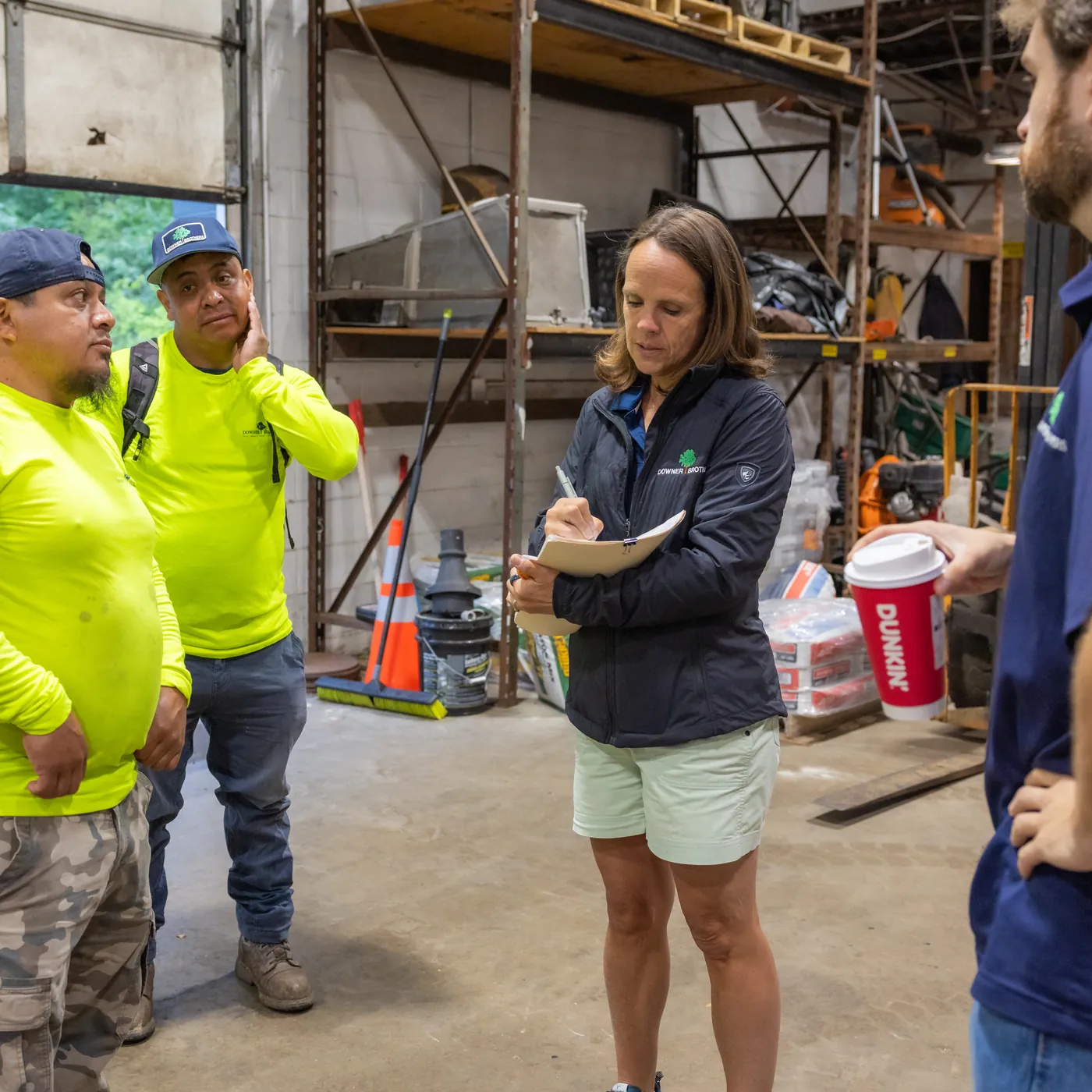
The business runs with less friction.
We used to have recurring problems that everybody accepted as part of the day. Timesheets would be wrong. Managers would fix them. Training gaps would show up as frustration. Processes became one-offs.
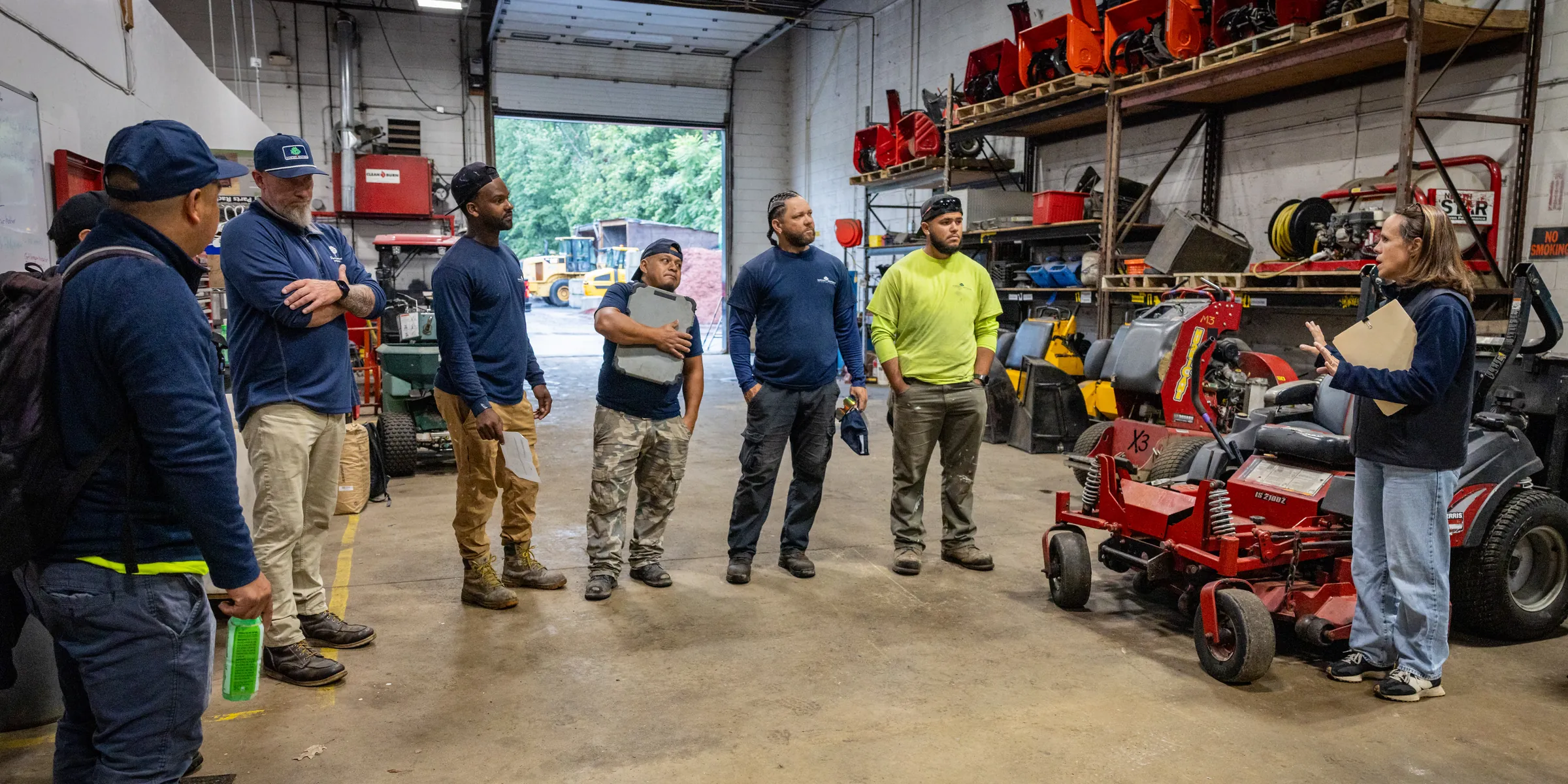
We're getting much better at turning those recurring problems into systems. Our huddles are better. Training is more consistent. We have scorecards, sales goals and crew-level budgets.
We're more organized about the small things that used to consume a surprising amount of leadership time.
The goal isn't to make the company complicated. It's actually the opposite: make the right way of doing something easier to repeat.
People are happier to be here.
This one is harder to put on a spreadsheet, but you can see it. People feel more seen, heard and valued. There's more clarity. There's more opportunity. The team understands more of where we're going and why.
And I've reconnected with why I wanted to grow the company in the first place.
It's not just GP and NP. Those things matter. But without the human part, none of this matters to me.
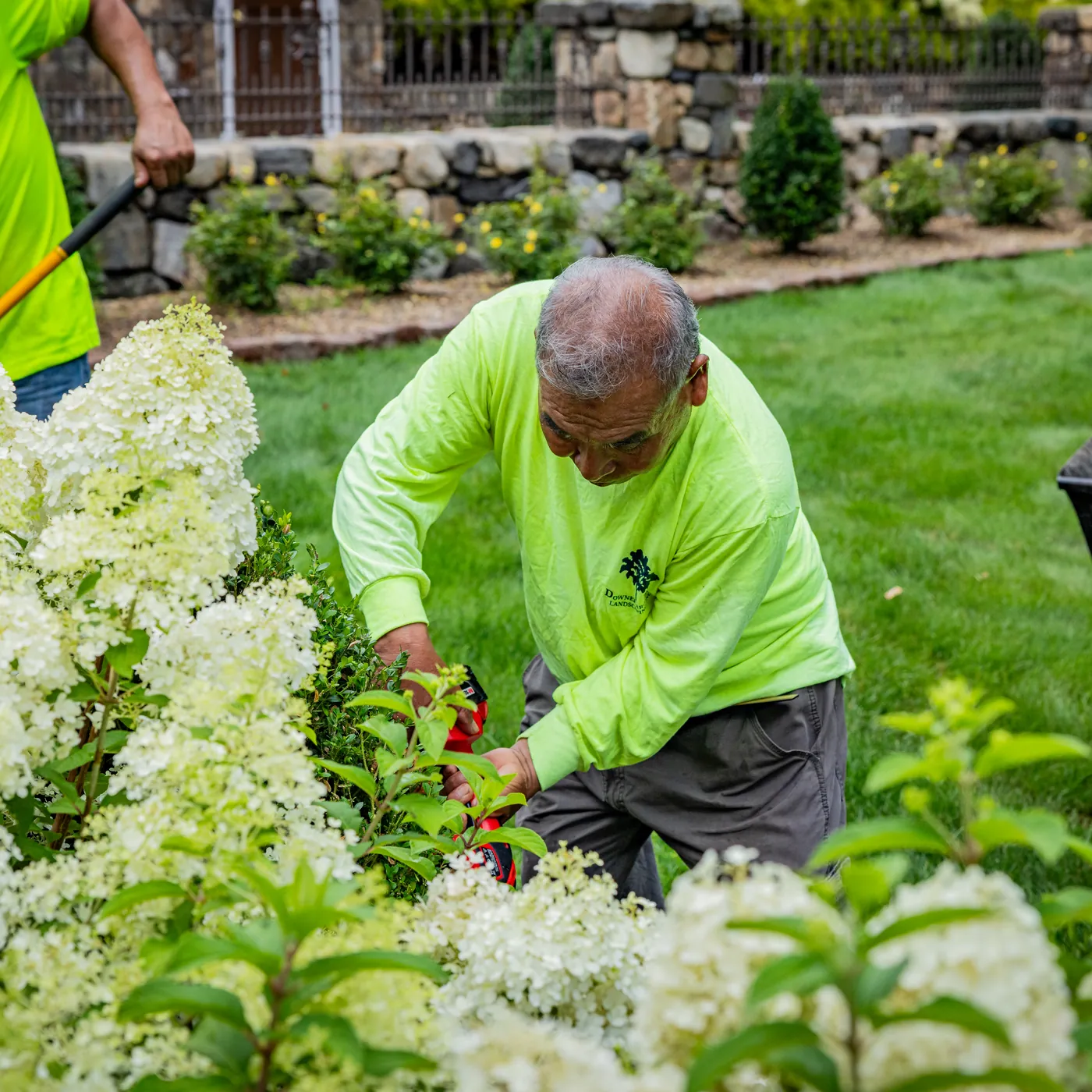
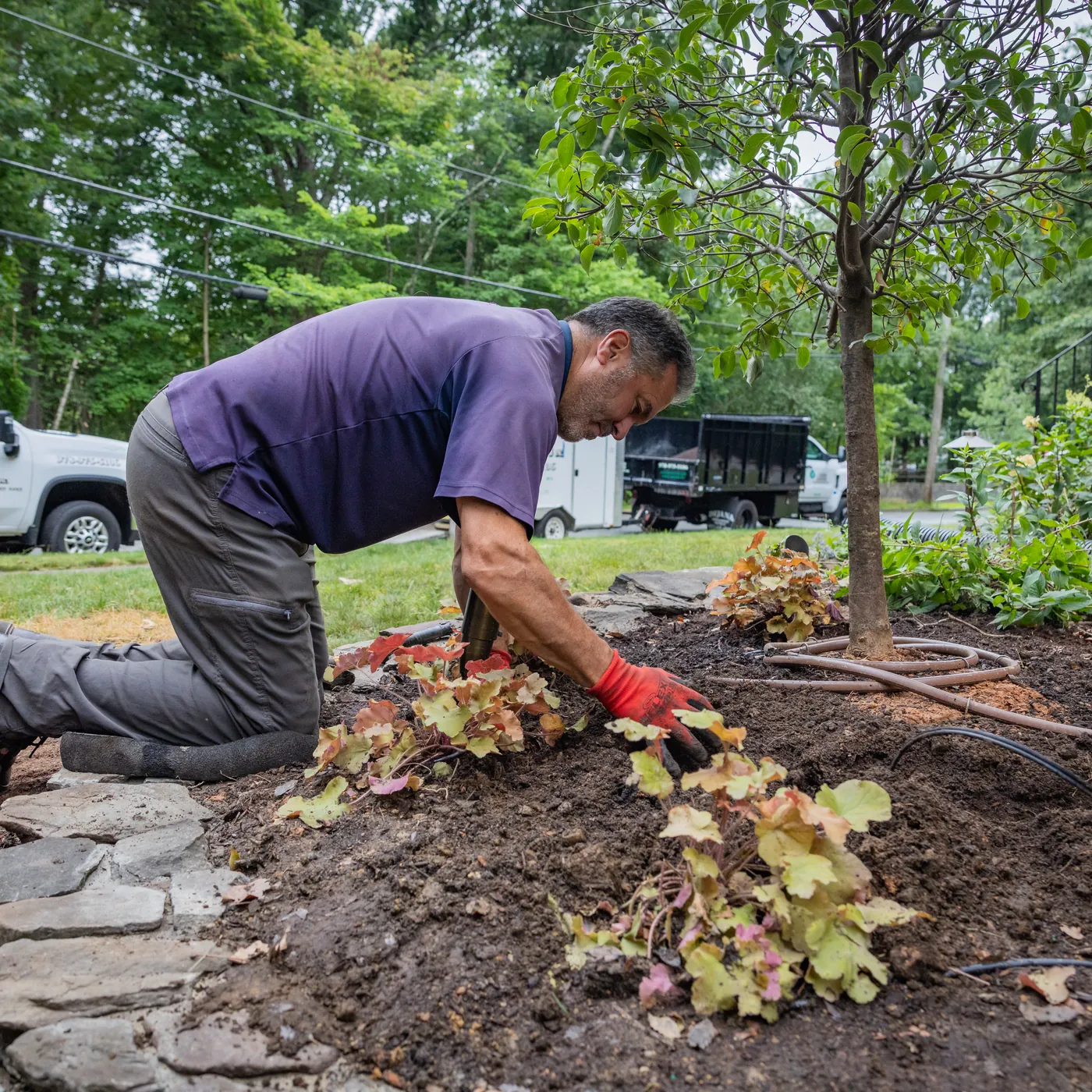
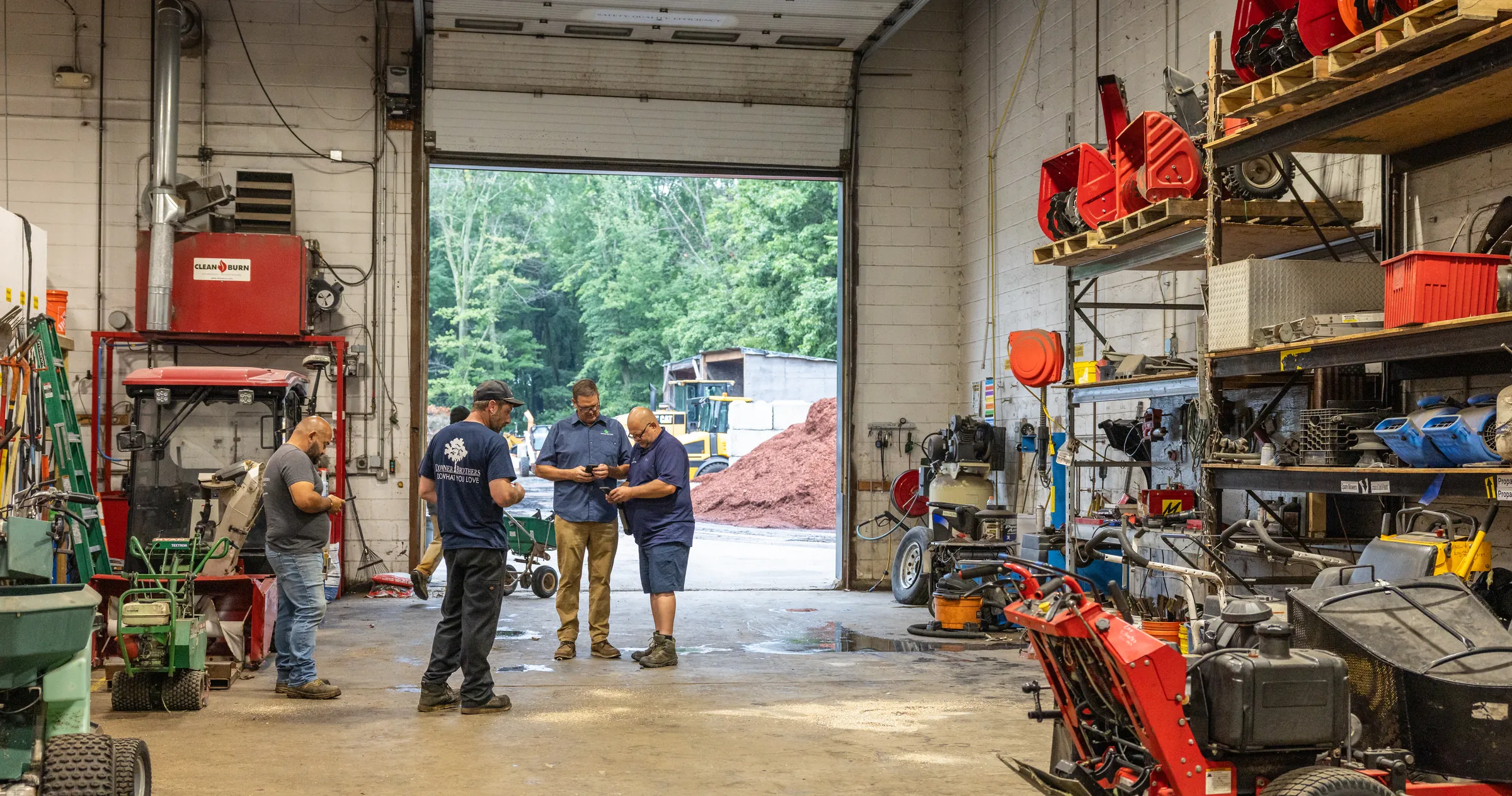
I want our growth to create opportunity for the people who helped build it.
That's become the bigger purpose behind what we're doing. We want a strong, profitable, growing company.
But “more” by itself isn't enough of a reason to keep pushing.
I want growth to mean somebody gets the opportunity to lead a division. Somebody builds a career they didn't see before. Somebody gets better training. Our leaders become better leaders. Our team has a place they genuinely want to work.
That's what makes me excited about growing Downer Brothers again.